/
What is Sadaqah? Types, Benefits and Importance in Islam
$

Sadaqah is a word that carries a softness with it, alongside deep spiritual significance. Most simply, it means charity, but there is much complexity and depth. Giving Sadaqah is the act of giving from the heart freely, without obligation and with the sincere intention of pleasing Allah. Zakat, one of the pillars of Islam, is an obligation. Sadaqah, on the other hand, is more of an open door for anyone to walk through it, at any time and in the way that suits them best. 


What’s striking about Sadaqah is that it doesn’t just mean one thing – it can be a huge range of things. It can be as simple as offering water to someone thirsty, or as grand as funding a school or hospital. It can involve donating money, but it doesn’t have to. A smile, a kind word or the act of moving something harmful from the path are also counted as powerful acts of Sadaqah. 


Islam teaches us that in giving, we are also given, and we are given beyond what we could ever imagine. Sadaqah builds not only communities, but our connection with Allah. 


The Meaning of Sadaqah in Islam

The word Sadaqah is an Arabic word, coming from the word ‘sidq’ which means truthfulness and sincerity. This reminds us that at the heart of Sadaqah lies sincerity and intention, and from this comes its value. It’s not about the size of the Sadaqah but why it is being given. The best Sadaqah is that given with the intention of pleasing Allah (swt) and seeking closeness to Him. 


Charity is mentioned many times in the Qur’an and we are taught that it purifies the giver, while uplifting the receiver. Prophet Muhammad (saw) said that charity is a shield from hardship, a protection against hardships and evil. He (saw) advised us to give often, in good times and in bad, even if all we have is a small date or a morsel of food.  


Giving Sadaqah is almost like living our faith in action – practically carrying out the values that Islam holds dear and emulating the sunnah of our Prophet Muhammad (saw). This can be done by smiling and greeting others, volunteering our time, donating items we no longer need, protecting others from harm and giving away something we once cared for. Sadaqah is both material and non-material, visible and invisible. At its core, it’s about sincerity.

Types of Sadaqah in Islam
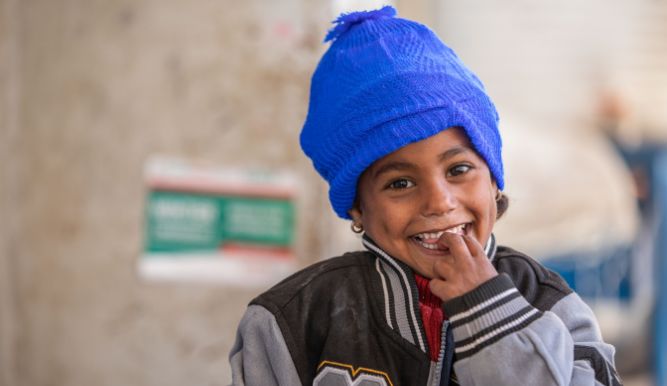
Sadaqah is not just one thing – it takes many forms, all as equally important as each other. Sometimes it looks like a monetary donation. Other times it looks like offering compassion and kindness to others. The beauty of Islam is that it recognises and values both.


Financial Sadaqah

The most common thing we associate with Sadaqah is giving financially, whether that is making donations or giving food, clothing or shelter to those in need. There are lots of ways to offer financial Sadaqah, including sponsoring an orphan, providing emergency aid to those in disaster, helping a vulnerable family build a livelihood or providing nutritious food to those in need. 


In today’s world, financial Sadaqah keeps communities alive and has a huge role to play in efforts to eradicate poverty. Financial Sadaqah enables charities like Muslim Charity develop life-changing programmes that tackle hunger and thirst, help communities build sustainable sources of income, respond to disasters and do so much more. 


Non-Financial Sadaqah

Not everyone has wealth to donate. This is why Allah encourages us to focus on intention and offers us ways to seek closeness to Him (swt) that does not involve money. Non-financial forms of Sadaqah are available to every single person, all of the time. They are acts of goodness that uplift others, done for the sake of Allah (swt). These can include visiting somebody who is unwell, cooking for others, removing something harmful from the road or giving your time to a community initiative. Sometimes these efforts seem small and insignificant, but their intention magnifies their value and reward. 


In this way, everybody can access the blessings and reward of Sadaqah, even if you are unable to offer financial commitment.  


Sadaqah Jariyah (Ongoing Impact)

Sadaqah Jariyah is quite possibly the most impactful form of Sadaqah as it is focused on helping those in need for a very long time, ultimately transforming their lives. It is full of blessings, bringing countless rewards to the giver.


In the Qur’an, Sadaqah Jariyah’s long-lasting and multiplying impact is described as:


“…the likeness of a grain of corn, which grows seven ears and each ear has a hundred grains. Allah (swt) gives manifold increase to whomever He pleases.” [2:261]


Prophet Muhammad (saw) reminded us that giving Sadaqah Jariyah is one of the very few actions we can do that will continue to impact us after we die. All else will cease to be of impact, apart from three things: ongoing charity, beneficial knowledge and a child who continues to pray for you.


The standout thing about Sadaqah Jariyah is that it is focused on long-term change and support for those in need. It is not helping somebody in the short-term through a single meal or helping them for a short time. Rather, Sadaqah Jariyah projects are based on benefiting people continuously. The rewards for Sadaqah Jariyah are also continuous for the person who has given it. 


There are so many examples of Sadaqah Jariyah and here are a few:

  • Digging a well that provides clean water for years
  • Planting trees
  • Building a mosque or school 


This type of Sadaqah is not only a gift to others, but a way to leave a legacy that keeps the door of rewards open even in the Hereafter.
Benefits of Giving Sadaqah

There are many benefits of giving Sadaqah, and these impact us on a spiritual, social and personal level. 


Spiritual Benefits

Sadaqah rewards lie in the things we often can’t see: the cleansing of both our wealth and the soul. In Islam, we are encouraged to develop a spiritual connection with this world, not a material one. That means we should view ourselves as travellers and vessels, rather than owners of anything including our wealth. Giving Sadaqah helps us maintain a spiritual connection to the things we are blessed with, reminding us that our money was never truly ours and is an Amanah from Allah (swt). As we seek forgiveness, blessings and protection from Allah through giving Sadaqah, we are also reminded that ultimately all that matters is our standing with Allah (swt). Prophet Muhammad (saw) encouraged us to give Sadaqah often as it extinguishes sins, just as water extinguishes fire. This important reminder explains how powerfully connected Sadaqah is to forgiveness and mercy.  


Social Benefits

Sadaqah is also about humanity. Giving Sadaqah enables us to create a more connected, just world. Through charity, we are able to uplift others, offering a form of redistribution of wealth, trying to bring an end to poverty and suffering. We can often get so busy with our lives that it is easy to not think of others or look at the bigger picture. Giving Sadaqah helps to bridge the gap between the rich and the poor, fostering greater equality and a sense of community and brotherhood. Giving Sadaqah helps to ensure that the most vulnerable are not forgotten or left behind and that we are reminded of our duty to help others. 


Personal Benefits

Another benefit of giving Sadaqah is that it can help protect us from harm. Sadaqah acts as a shield from hardship and so Muslims often choose to give Sadaqah while facing difficult times or trials. We are reminded that ultimately there is no power greater than Allah (swt) and giving Sadaqah with this intention is a way of asking Allah to keep us safe and out of harm’s way. We are also encouraged to give Sadaqah during good times, both as a way of expressing gratitude, but also to protect the goodness. This is why many people will offer Sadaqah when getting married, getting a new job or having a child.


Importance of Sadaqah in a Muslim’s Life

The importance of Sadaqah in Islam is demonstrated in the way Prophet Muhammad (saw) encouraged us to give Sadaqah, and in its ability to protect the giver, and uplift the receiver. Giving Sadaqah helps to nurture taqwa - a constant consciousness of Allah, also fostering humility. 


Sadaqah helps to foster community, closing the gap between rich and poor. It helps ensure that compassion and brotherhood are flowing throughout our ummah. 


How to Give Sadaqah Today

There are infinite causes you can give your Sadaqah to, especially in our world which is increasingly impacted by poverty, disasters and conflict. It is entirely up to you whether you want your Sadaqah to have a local or global impact. There are many people and causes in need locally, so your Sadaqah could go towards a soup kitchen, the local mosque or a family in your community who is struggling. Across the world people are facing unimaginable hardships, so your Sadaqah could go towards providing clean water in a village in Africa or Asia, sponsoring an orphan or providing food to families fleeing conflict in the Middle East.  


One of the easiest ways to give Sadaqah is to make an online donation, so it is very important to know how to give Sadaqah online safely. Giving to a trusted charity through their official website or an authenticated donation platform is the safest way to make a donation. This will help ensure your money reaches the charity in the right way so they can ensure it reaches people in need effectively and timely.  


Remember that the most important thing about giving Sadaqah is not about the size of your donation. It’s about your intention and may Allah reward every good intention you make. 

Conclusion

Sadaqah is about sincerity, not about money. It can be a donation of wealth, but it can also be an expression of kindness. The benefits of Sadaqah are on all levels: spiritual, social and personal, benefiting us in ways we may never truly understand. And the importance of Sadaqah in Islam lies in the way it can offer us Allah’s rewards and blessings, mercy and compassion. Giving Sadaqah is a way for us to practically live the elements and teaching of our faith on a daily basis. 

FAQs

In Arabic, Sadaqah simply means sincerity or righteousness. This echoes how important it is to be sincere with ones giving.

The main Sadaqah types are financial Sadaqah, including donating to provide food; non-financial Sadaqah, including volunteering your time and Sadaqah Jariyah, ongoing charity such as building a well.

Giving Sadaqah brings immense rewards, blessings and protection. Charity is a key part of the Islamic faith, reminding us that we are all connected and have a duty to care for one another.

Yes. Even a smile or an act of kindness is counted as Sadaqah.

No. Zakat must be calculated at 2.5% of one’s wealth each year but Sadaqah is entirely voluntary. It can be given in any amount and at any time.

Yes. Sadaqah is about mercy and kindness, which can be shared with anyone in need, regardless of faith.

There are no rules on how often Sadaqah should be given. Prophet Muhammad (saw) told us that Allah loves those things done often, even if small.

There are many acts of Sadaqah you can perform in your daily life, including smiling at someone, visiting the sick, cooking for a neighbour, volunteering at a soup kitchen, tidying the mosque or helping an elderly relative.

Sign Up To Our Newsletter

Success! Thanks for signing up for the newsletter! We'll be in touch soon.
Warning! You are already subscribed.
Donation Added

No donations in the cart

CHECKOUT

Please select your country:

We'd like to keep you updated about our projects and fundraising activities. Please confirm if you are happy for Muslim Charity to contact you via:

Turn that into $0

Increase your donation by 25% at no extra cost.

Gift Aid

*I would like Muslim Charity to treat all donations I have made in the past, this donation and all my future donations until I notify otherwise as Gift Aid donations. I am a UK taxpayer and understand that if I pay less Income Tax and/or Capital Gains Tax that the amount of Gift Aid claimed on all my donations I that tax year it is my responsibility to pay any difference. Please inform Muslim Charity if you want to cancel the declaration, change your name or address or no longer pay sufficient tax. The Gift Aid amount claimed will be used towards fundraising/administrative costs as well as our Where Most Needed fund to save and transform more lives.

Chat with us WhatsApp 1

loader.gif Please Wait