/
Sadaqah & Sadaqah Jariyah in Islam: Meaning, Types, Rewards and How to Give
$

Why Sadaqah Matters in Islam
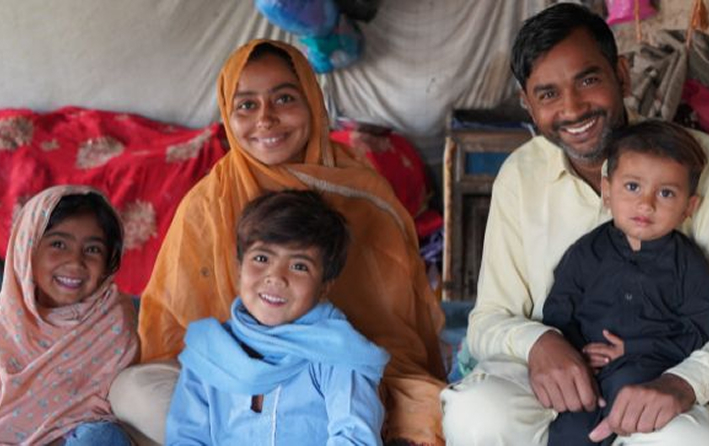
In the Qur’an, Allah (swt) gives us a powerful image of charity:


“The example of those who spend their wealth in the way of Allah is like a seed [of grain] which grows seven spikes; in each spike is a hundred grains. And Allah multiplies [His reward] for whom He wills.” (Qur’an 2:261)

 This beautiful verse is a reminder that a single act of charity, no matter how small, has the potential to multiply beyond what we can imagine, both in its impact for those in need and with our reward from Allah (swt). Like a seed planted in quality soil, one drop of kindness can ripple outwards, nourishing communities, uplifting families, opening doors for brighter futures and saving lives.

 At Muslim Charity, we see the power of Sadaqah in our work every single day. A village that once struggled without clean water now flourishes after a well is built. Sadaqah donations can help a child who might never have gone to school grow up to teach others because their education was sponsored. Street children, like Halimah, have been removed from harm’s way, given safety and security in a world that has repeatedly failed them. 


These lifechanging projects, and countless others like them are possible through generous giving of Sadaqah - voluntary charity given with sincerity. Closely linked to it is Sadaqah Jariyah, or ongoing charity, which continues to bring rewards long after the act has been performed.


In this blog, we’ll explore the importance of Sadaqah and Sadaqah Jariyah in Islam, what they mean, their types, their immense benefits, how they differ from Zakat and how you can take practical steps to give charity in a way that truly makes a difference.


To understand this topic more deeply, it helps to explore What is Sadaqah? Types, Benefits and Importance in Islam, and how it shapes both our faith and our responsibility towards others.


What is Sadaqah?

At its very heart, Sadaqah is about intention, sincerity and helping others. The word comes from the Arabic root sidq, meaning truthfulness. To give Sadaqah is to give truthfully, from a place of genuine care and compassion, seeking Allah’s pleasure, protection and reward.


Unlike Zakat, which is an obligatory form of charity with set rules based on who must give Zakat, how often and frequently and where Zakat can be spent, Sadaqah is completely voluntary. There is no limit on how much or how little can be given, when or who can receive it. What matters most is intention.


The Prophet ﷺ taught us: “Sadaqah extinguishes sins as water extinguishes fire.” (Tirmidhi). Charity, therefore, isn’t only about helping others, but it is about our own connection to Allah (swt). Giving Sadaqah allows us to turn to Allah for forgiveness and protection. 


While we may often think of Sadaqah as being a monetary donation, at its heart, it is so much more than that. There are examples of actions in our everyday life that are acts of sadaqah – acts of goodness, truthfulness and connection with others. Here are some examples of Sadaqah: 


  • Offering a smile: The Prophet ﷺ said even smiling at your brother or sister is an act of charity. Smiling at others helps to promote unity, safety and community. 
  • Sharing food: Offering a meal or some food to a neighbour or someone in need helps foster bonds of community and friendship. 
  • Removing harm from a path: Clearing a harmful object from the road such as a nail, banana peel or a sharp object helps keep others safe and prevents accidents or injuries.
  • Donating household items, clothes or food: Sometimes shelters or charities need items to support vulnerable people, and making donations of items you no longer need can help somebody struggling.  
  • Giving your time: Helping a friend move, tutoring a child or even listening with patience is also Sadaqah. You can also give your time to charitable projects such as volunteering, supporting at soup kitchens or tidying your local mosque. 


When we live with this mindset, almost everything we do can become an act of charity.
 

For a deeper understanding of What is Sadaqah? Types, Benefits and Importance in Islam, our detailed guide explores this topic further.
What is Sadaqah Jariyah?

If Sadaqah is considered to be a seed, Sadaqah Jariyah is the tree that keeps bearing fruit long after it’s planted.
 

The Prophet ﷺ said: “When a man dies, all his deeds end except three: ongoing charity (sadaqah jariyah), beneficial knowledge or a righteous child who prays for him.” (Muslim)


This hadith reminds us that our lives are short, but our good actions in this life can outlast us, benefiting us long after we are gone. Sadaqah jariyah is charity that continues to benefit people, and continues to bring us rewards, even after we have left this world. While some Sadaqah initiatives have a short-term impact, Sadaqah Jariyah is focused on long-term, sustainable impact, helping people for years to come, generation after generation. 
 

Examples of Sadaqah Jariyah


Here are a few examples of Sadaqah Jariyah: 

  • Building a mosque: Mosques will serve communities for generations to come, helping people practise and strengthen their faith, while also learning more about Islam and teaching others. Every prayer, every word of Qur’an recited within it, becomes part of your reward.
  • Constructing schools: Schools are places of growth and opportunity, helping children build better futures. A good education helps children escape the claws of poverty, breaking cycles and uplifting entire communities and future generations.
  • Digging wells and water projects: Providing clean water saves lives and helps stop the spread of disease. For years, people will benefit from clean water and women and children will no longer have to walk for miles. It gives opportunities for education, work and rest, facilitating long-term change. 
  • Planting trees: Providing shade, fruit and oxygen for years to come. Planting trees can help farmers build a sustainable livelihood for years to come, supporting their families and future generations. 
  • Orphan sponsorship: Sponsoring an orphan means the child has everything they need to truly thrive – a safe home, a quality education, healthcare, food and so much more. Each donation enables the child to lead a life of dignity and build a future away from poverty and struggle. 


In short, there are key differences between Sadaqah and Sadaqah Jariyah:

  • Sadaqah: Acts of kindness with immediate effect, like feeding someone or removing something harmful from the road.
  • Sadaqah Jariyah: Donations that create a lasting legacy, like building a water well, mosque or a school. 


These powerful forms of ongoing charity have transformed lives across the world, as seen in 10 Inspiring Examples of Sadaqah Jariyah That Change Lives long after the initial donation is made.


Sadaqah vs Zakat: Key Differences

Sadaqah & Sadaqah Jariyah in Islam: Meaning, Types, Rewards and How to Give

Sadaqah and Zakat are both key types of charity in Islam, important to Muslims all over the world. It is important to understand the difference between Sadaqah and Zakat, so your intention at the time of giving is clear. The main difference between Sadaqah and Zakat is that the former is a voluntary donation, while the latter is an obligation upon all adult Muslims of sane mind, who own wealth above the nisab – a minimum, pre-established threshold. While Sadaqah can be given in any amount, at any point in the year, to any person in need, Zakat is substantially different. Zakat must be calculated at 2.5% of one’s wealth above the nisab, and donated on a yearly basis, reflecting a person’s wealth that particular year. Zakat can only be given among eight groups of people, which Allah has detailed in the Qur’an. Zakat is also focused on ownership, where the donation made must become the property, or owned by, the person receiving it. This means certain charitable initiatives that involve community ownership cannot be fulfilled through Zakat donations. 

Zakat is often considered a form of redistribution of wealth, helping to create more balanced communities around the world. For Muslims, the payment of Zakat is a reminder that this wealth was never actually meant for us and we were only guardians for a short time. The real owners of the wealth are those who will receive the Zakat donations. 


Sadaqah donations can also be made to express gratitude to Allah (swt) for something positive such as a new job, getting married, having a baby or passing a difficult test. Sadaqah can also be given in seeking protection from Allah (swt), such as against illness, misfortune or calamity. Offering Aqiqah after a baby has been born is also a form of Sadaqah.


This table summarises the difference between Sadaqah and Zakat:

Sadaqah vs ZakatSadaqahZakat
NatureVoluntaryObligatory for all adult Muslims of sane mind who own wealth above the nisab
AmountAny amountCalculated at 2.5% of one’s wealth
RecipientsAnybody in need

Eight specific categories (Qur’an 9:60):       

  1. The destitute (al-Fuqarāʾ)
  2. The poor (al-Masākīn)
  3. Those collecting it (al-ʿāmilīna ʿalayhā)
  4. To soften the hearts (al-muʾallafatu qulūbuhum)
  5. In manumission (fi ’l-riqāb)
  6. Those in debt (al-Gharimīn)
  7. In God’s path (fi sabīlillāh)
  8. The wayfarer (Ibn ’l-sabīl)
FrequencyAt any time, any number of timesMust be given on a yearly basis, once every lunar calendar year


Both types of charity are vital. Zakat ensures fairness and reduces inequality, while Sadaqah keeps generosity alive in our daily lives. Together, they nurture a balanced society.


If you are unsure which form of charity best applies to your situation, our guide explaining the Difference Between Sadaqah and Zakat: Which One Should You Give?

Types of Sadaqah and Sadaqah Jariyah

There are different types of Sadaqah and Sadaqah Jariyah, which means there are ample ways to support those in need while also reaping the rewards of this beautiful charity. There is a huge importance of both Sadaqah and Sadaqah Jariyah in Islam.

Sadaqah itself is largely thought of as short-term initiatives, or everyday acts which help others. Sadaqah donations include providing food to those in need, or the sacrifice of animals for Aqiqah or as a Sadaqah donation. Other forms of Sadaqah involve everyday actions such as giving your time to support others, smiling at others, removing harmful things from pathways and sharing food.

Sadaqah Jariyah is focused on long-term impact, and so often involves larger initiatives that will continue to support people for years and generations to come. These projects mean that continually people are being supported, uplifted and saved. Sadaqah Jariyah allow people in need to truly thrive. They often remove a harmful barrier, keeping people safe and healthy, allowing them to build their livelihoods, educate their children and spend time with their loved ones. Common Sadaqah Jariyah involves providing clean water through wells or other water sources, building mosques or constructing schools. 

Each time somebody benefits from your Sadaqah Jariyah, whether that is through a drink of clean water, reading the Qur’an in a mosque you built or a child attending a class at school, you will be rewarded. As the initiative is continuous and long-lasting, it will continue to benefit people in need for years to come, bringing you rewards each day. With Sadaqah Jariyah, there are also a lot of indirect benefits for those in need and that too will bring you blessings. For example, when you build a well, you help keep more children in school as they are no longer forced to walk for miles to collect water. As the child gets an education and helps more people throughout their life, you too will be rewarded. 


Types of Sadaqah (Everyday Acts)

  • A smile
  • Feeding people
  • Donating money, clothes or food
  • Volunteering or helping others
     

Types of Sadaqah Jariyah (Sustainable Acts)

  • Building mosques and schools
  • Digging wells and water projects
  • Printing and distributing the Qur’an
  • Planting trees


Think of everyday Sadaqah as planting seeds of kindness in people’s hearts, while Sadaqah Jariyah plants roots that grow into forests of ongoing benefit.
 

If you are looking to make a long-lasting impact, you can explore some of the Best Sadaqah Jariyah Projects to Support Online in 2025, helping communities thrive for generations to come.


Rewards & Benefits of Giving Sadaqah

Sadaqah & Sadaqah Jariyah in Islam: Meaning, Types, Rewards and How to Give

There are immense rewards for both Sadaqah and Sadaqah Jariyah in Islam.


Spiritual Rewards

Sadaqah is a powerful way for believers to draw closer to Allah (swt). The Prophet ﷺ said: “Charity extinguishes sins just as water extinguishes fire” (Tirmidhi). Each act of Sadaqah can be a means of forgiveness, ultimately reaping Allah’s pleasure and closeness.  

Sadaqah also offers us divine protection. The Prophet ﷺ taught us that charity shields a person from calamities and misfortunes, acting as a source of protection. As human beings, we are unable to understand Allah’s plan and we do not see what He (swt) sees. However, Allah does protect us against hardships and calamities and by offering Sadaqah we are able to seek more of this. 

Giving Sadaqah can also help offer us shade on the Day of Judgment, when there will be no other shade except that which Allah provides. 


Social Benefits

Sadaqah is not only a personal act of devotion but it helps connect our world and can help entire societies. By easing the struggles of the poor, Sadaqah helps to create a connection around the world, unifying those who are giving Sadaqah with those who are receiving it. 


Afterlife Rewards

Perhaps the most powerful benefit of Sadaqah is its power to outlive us. Sadaqah Jariyah continues to bring rewards long after our death. A well dug, a school built or even a Qur’an placed in someone’s hands becomes a source of continuous reward. 


Through its spiritual, social and afterlife rewards, Sadaqah is a treasure for this world and the next.


The Benefits of Giving Sadaqah: How It Protects & Purifies Your Life, offering spiritual purification, protection from hardship and lasting rewards in both this life and the Hereafter.

How to Give Sadaqah — Step by Step

Sometimes it can feel daunting to give charity with so many options and things to consider. However, giving Sadaqah is simple. It starts in the heart. Before you reach for your wallet or make a bank transfer, pause for a moment and reflect on your intention. Set your Niyyah (intention) and be clear that this donation is for Allah. Also, decide if you are giving for yourself or on behalf of a loved one. 

After intention comes choice about where to give your donation. There will always be a huge range of causes you can choose from, from homeless people on our own streets in the UK to vulnerable communities in Africa and Asia. No one cause is greater than another and what remains important is that your Sadaqah reaches someone in need. 

Today, much of our giving happens online. That’s a blessing, but it’s also a test. Not every organisation is what it appears to be. A wise step is to check carefully: does the charity explain how donations are used? Do they share reports, photos or updates? Do other people trust them? A little caution ensures that what you give reaches the people who truly need it.

Prophet Muhammad (saw) told us that the most beloved deeds to Allah are those done regularly, even if they’re small. Being regular in your charitable giving, even if it’s just a few pounds at a time is a beautiful practise to establish. 

Sadaqah for Loved Ones & the Deceased

It is very beautiful and comforting that we are able to give Sadaqah for someone else. If a loved one has passed away, giving charity in their name is a great way to continue their rewards and ease their transition into the next life. By building a well in the name of a loved one who has passed away, every drop becomes a mercy for them. This is such a beautiful element of practising Sadaqah and Sadaqah Jariyah in Islam. 

Giving in the name of others is a powerful way to honour them, and our guide on Sadaqah for Loved Ones & The Deceased: Maximise Rewards Year-Round, explains how this can maximise rewards throughout the year.

Giving Sadaqah Online Safely

If you do give online, treat it with care. Look for clear proof of where your money goes, certifications and honest feedback. A good charity won’t just take your donation - they’ll show you the lives you’ve touched. Make sure you receive a receipt for your donation and that the bank account details for the charity match with its name and credentials. Only give through official charity websites or reputable crowdfunding platforms such as JustGiving. 
 
To protect your donation and ensure it reaches those most in need, it is important to understand How to Give Sadaqah Online Safely: Avoiding Scams & Ensuring Your Donation Counts.

Sadaqah & Sadaqah Jariyah in Islam: Meaning, Types, Rewards and How to Give

How Our Charity Makes Sadaqah Jariyah Easy

We believe that giving your Sadaqah and Sadaqah Jariyah should be as easy as possible. That’s why we’ve set up our website to make things clear and simple. 

  • You’re in charge – You can choose exactly what projects or country you’d like your Sadaqah donation to support. You specify the amount of your donation and we’ll take care of the rest. You can also donate to our ‘where most needed’ fund and we’ll use your donation to serve the communities who are most in need of your support at that time. This takes into account things like the time of year, any recent disasters or conflicts or any changes to the country’s economic stability that may have left vulnerable people more vulnerable. 
  • We implement – At Muslim Charity, we lead with integrity and honesty. We work hard to keep our overheads low, ensuring as much as possible of your donation reaches those in need. You’ll notice we keep things simple and we work with local teams and experts at all times, making a bigger impact to vulnerable communities.  
  • Communities thrive - Our programmes are focused on empowering people, promoting dignity and transforming communities. By supporting our work with your Sadaqah, you help make a huge difference to communities worldwide.  
  • You are rewarded - You are rewarded continuously for as long as the project benefits people.

With certifications, transparency and real stories from the ground, we make sure your Sadaqah truly transforms lives.

Conclusion & Call to Action

In the holy Qur’an, Allah (swt) assures us: “Whatever you give in charity, Allah will replace it; and He is the best of providers.” (Qur’an 34:39)

Your Sadaqah is never lost – it grows. It is an investment in your Hereafter and a gift to humanity today. Every donation helps to create a better world, tackling poverty and supporting those in need. You give dignity, inspire health, open the doors of opportunity, save lives, give people back their time and give communities back their power. 

Start your Sadaqah journey now - choose a project, give sincerely and watch your blessings multiply.

FAQs

Sadaqah is voluntary charity with immediate benefit. Sadaqah Jariyah continues to reward the giver long-term as it benefits those in need, continually, for years and generations to come. An example of Sadaqah is giving food and an example of Sadaqah Jariyah is building a well.

No. It is voluntary. Zakat is the compulsory form of charity. Sadaqah can be given by anybody, to anybody in need, in any amount and frequency and at any time of year. Sadaqah can also be given on behalf of somebody else, whereas Zakat cannot.

Yes - it benefits them even after death.

Anyone in need - poor, relatives, travellers, neighbours or entire communities.

Yes - kindness, smiles, advice, offering your time or removing harm all count as Sadaqah. What matters most is your intention to help others and to please Allah (swt).

You can give Sadaqah at any time. But giving during Ramadan, Fridays or in times of hardship is especially rewarding.

Through trusted, transparent charities like Muslim Charity.

Sign Up To Our Newsletter

Success! Thanks for signing up for the newsletter! We'll be in touch soon.
Warning! You are already subscribed.
Donation Added

No donations in the cart

CHECKOUT

Please select your country:

We'd like to keep you updated about our projects and fundraising activities. Please confirm if you are happy for Muslim Charity to contact you via:

Turn that into $0

Increase your donation by 25% at no extra cost.

Gift Aid

*I would like Muslim Charity to treat all donations I have made in the past, this donation and all my future donations until I notify otherwise as Gift Aid donations. I am a UK taxpayer and understand that if I pay less Income Tax and/or Capital Gains Tax that the amount of Gift Aid claimed on all my donations I that tax year it is my responsibility to pay any difference. Please inform Muslim Charity if you want to cancel the declaration, change your name or address or no longer pay sufficient tax. The Gift Aid amount claimed will be used towards fundraising/administrative costs as well as our Where Most Needed fund to save and transform more lives.

Chat with us WhatsApp 1

loader.gif Please Wait