Benefits of Giving Qurbani in Islam (Why It Matters Today)
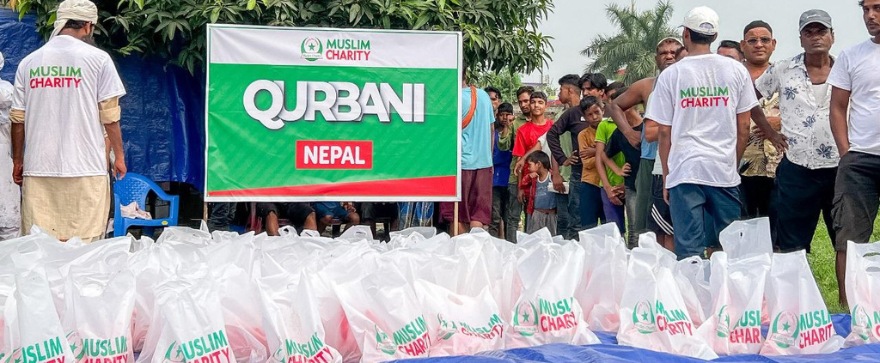
Qurbani is the act of sacrificing an animal during Eid al-Adha as an act of worship and obedience to Allah. It is performed by Muslims around the world during the month of Dhul Hijjah.
Muslims give Qurbani to follow the example of Prophet Ibrahim (AS), who showed complete devotion and submission to Allah. It is a way to strengthen faith, express gratitude and fulfil an important religious duty.
Qurbani also plays a vital role in helping the poor. The meat is shared with vulnerable families who may not have access to nutritious food throughout the year. For some vulnerable families, this is the only time in the year they are able to enjoy meat.
In today’s world, Qurbani has even greater importance. With rising poverty levels and ongoing food crises in many parts of the world, millions of people struggle to afford basic meals. Your Qurbani can provide relief and support to those facing hardship.
By giving Qurbani, Muslims combine worship with charity, making a meaningful difference in the lives of others while fulfilling a key act of faith.
Below are the key benefits and real impact of giving Qurbani in Islam.
Why Do Muslims Give Qurbani?
Muslims give Qurbani as an act of worship and obedience to Allah. It is performed during Eid al-Adha to remember the devotion and sacrifice of Prophet Ibrahim (AS).
According to Islamic tradition, Prophet Ibrahim (AS) saw in a dream that he was sacrificing his son. Understanding this as a command from Allah, he prepared to carry it out. Before the sacrifice took place, Allah replaced his son with a ram, rewarding his obedience and submission.
This story reflects the core purpose of Qurbani. It is not just about sacrificing an animal, but about showing complete obedience to Allah and following His commands without hesitation.
Qurbani is also a symbol of submission, reminding Muslims to place their trust in Allah, even during difficult moments. It teaches that faith requires sincerity, patience and willingness to give up what is valued most.
At its heart, Qurbani is an act of worship. It allows Muslims to strengthen their relationship with Allah and express gratitude for their blessings. The act is carried out with intention, ensuring it is done purely for the sake of Allah.
Through Qurbani, Muslims honour the legacy of Prophet Ibrahim (AS) while fulfilling a meaningful act of devotion that combines faith, sacrifice and compassion.
Key Benefits of Giving Qurbani
Qurbani offers both spiritual and social benefits that make it a powerful act of worship.
- Strengthens faith and taqwa (piety) - Giving Qurbani reminds Muslims of their duty to Allah and helps increase awareness of Him. It strengthens faith by encouraging sincerity, obedience and devotion.
- Helps earn reward from Allah - Qurbani is a highly rewarding act of worship. It brings spiritual benefit and is a means of gaining Allah’s pleasure during the blessed days of Dhul Hijjah.
- Helps feed the poor - Qurbani provides fresh meat to families, some of whom may not have access to it throughout the year. It ensures that vulnerable communities can share in the blessings of Eid.
- Revives the Sunnah of Prophet Ibrahim (AS) - Qurbani keeps alive the legacy of Prophet Ibrahim (AS), reminding Muslims of his sacrifice and commitment to Allah.
- Builds unity in the Ummah - Muslims around the world perform Qurbani at the same time, creating a shared sense of worship and connection.
- Encourages generosity - Qurbani promotes giving and caring for others, helping to build compassion and support within communities.
Spiritual and Personal Benefitsof Qurbani
Qurbani offers deep spiritual and personal benefits that go beyond the act of sacrifice. It is a powerful way to strengthen one’s relationship with Allah and develop key qualities of faith.
One of the greatest benefits is gaining closeness to Allah. Qurbani is performed purely for His sake, reminding Muslims to prioritise their faith and seek His pleasure above all else. It encourages a stronger connection through sincere worship and devotion.
It also helps with the purification of intention. When giving Qurbani, Muslims are reminded that actions should be done with sincerity, not for recognition or personal gain. This focus on intention strengthens the quality of worship.
Qurbani also leads to an increase in taqwa (piety), or awareness of Allah. It encourages mindfulness, obedience and a deeper sense of responsibility in following Islamic teachings.
Another important benefit is gratitude. By reflecting on the ability to give Qurbani, Muslims are reminded of their blessings and are encouraged to be thankful. This gratitude extends to sharing with others and supporting those in need.
Qurbani also helps reduce attachment to wealth. By sacrificing something valuable, Muslims learn to prioritise faith over material possessions. It teaches that true success lies in giving and not holding onto wealth.
As mentioned in the Qur’an, “It is neither their meat nor their blood that reaches Allah, but it is your piety that reaches Him” (Surah Al-Hajj 22:37). This highlights that the true value of Qurbani lies in sincerity and devotion, not the physical act itself.
Through these spiritual and personal benefits, Qurbani becomes a meaningful act that shapes character, strengthens faith and brings a person closer to Allah.